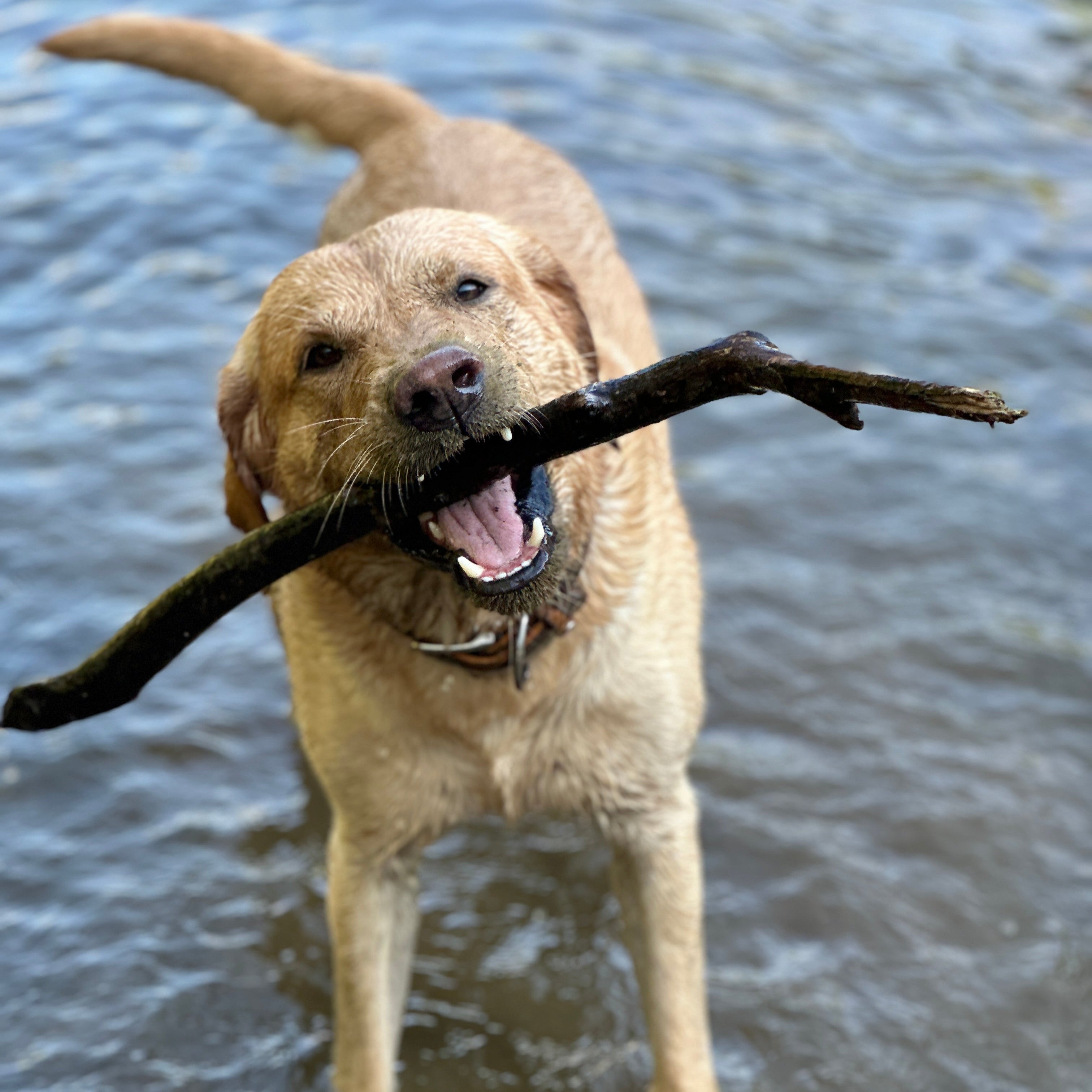
There is a moment in autumn that always feels the same. The door opens. Ezra comes inside. Completely wet, full of enthusiasm, paws black with mud. And I stand there with a towel. And then another one. And then another one. This is autumn with a dog. Beautiful. Sometimes a bit exhausting. But always close.
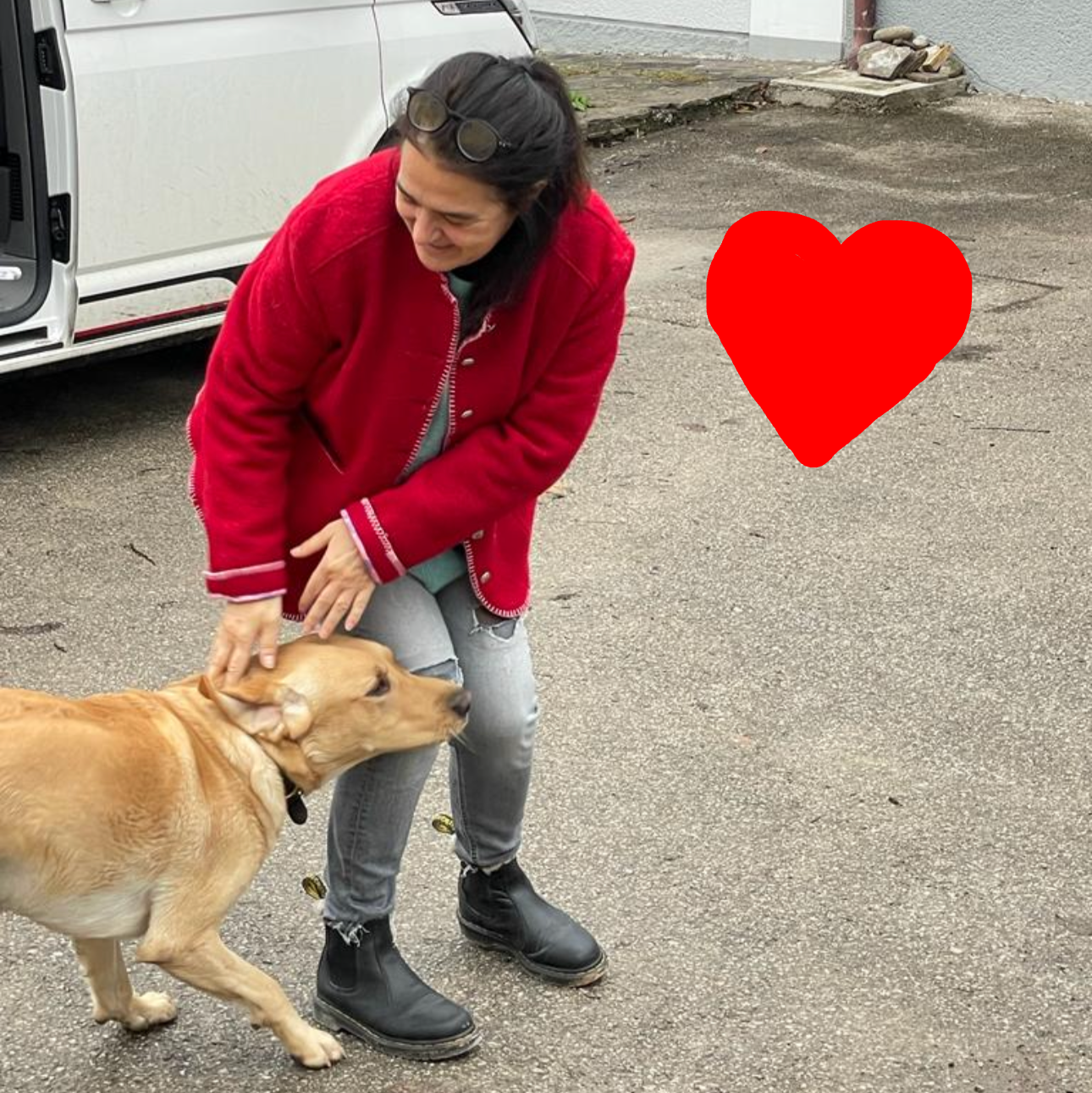
Minni, on the other hand - our new dog from Grandma and Grandpa, actually Winnie, but the name didn't stick - looks out the door when it rains, turns around, and goes back in. No pee. No walk. No interest. Grandma and Grandpa completely understand that. They don't want to either.
This article is for everyone who navigates autumn with wet dogs, muddy paws, worried eyes in the leaves, and the eternal question 'what has he eaten now?'. I know the feeling. Let’s look at it together.
❓ The most frequent questions at a glance
Are you looking for quick answers? Here are the most important ones – everything in detail below.
★ Are acorns, chestnuts, and mushrooms really dangerous for dogs?
Yes — and that is often underestimated. Acorns contain tannin (tannic acid), which can damage the liver and kidneys. Horse chestnuts contain saponins and glycosides, which are toxic and can cause intestinal blockage if swallowed. Mushrooms can be highly toxic — some even lethal in small amounts. A lot of things we don't even see are hidden in the autumn leaves.
★ My dog ate something on a walk. What should I do?
Stay calm and observe. If there are symptoms like vomiting, diarrhea, shaking, stumbling, or weakness, go to the vet immediately. When in doubt, it is better to go once too often than not enough. Especially with mushrooms, the rule is: act immediately.
★ At what temperature is the creek in autumn too cold for swimming?
As a rule of thumb: most dog breeds can swim without worry from a water temperature of about 15 to 17°C (59–63°F). Below 10°C (50°F), it becomes problematic for most. Important: Water temperature in autumn is often much colder than air temperature. A quick dip is usually no problem — long swims in cold water can lead to muscle cramps, hypothermia, and the painful cold tail syndrome.

★ My dog takes forever to dry. What helps?
Microfiber towels — we have five, and in autumn they are all wet at the same time. There are also dog coats made of terry cloth or fleece that really help. Especially important: dry between the toes, armpits, and ears thoroughly — moisture collects there, causing skin problems.
★ Are ticks still active in autumn?
Yes — as long as temperatures do not stay consistently below freezing, ticks are active. Autumn with mild weather is classic tick season. Check your dog after every walk, especially the head, neck, armpits, belly, and between the toes.

★ Why should I give my dog zeolite in autumn?
In autumn, the dog's body is under more stress: changing coats costs nutrients, damp soil and leaves bring more mycotoxins (mold toxins), and the immune system is readjusting. Zeolite binds these pollutants in the gut before they reach the bloodstream — and provides silicon for fur, skin, and connective tissue. Daily in the food, 0.5% of the feed amount.
Autumn is a true transitional phase for dogs
Not only does the weather change — the dog's body adjusts too. The summer coat gives way to a thicker winter pelt, the immune system adapts, the days grow shorter. Those who understand this can support them better.

We have covered the coat change — with tips on brushing, drying, and how zeolite can help from the inside — in detail in our grooming article. This article focuses on the other autumn topics that truly occupy my mind as a dog mom.
The eternal drying process — and why it is more than just an annoying chore
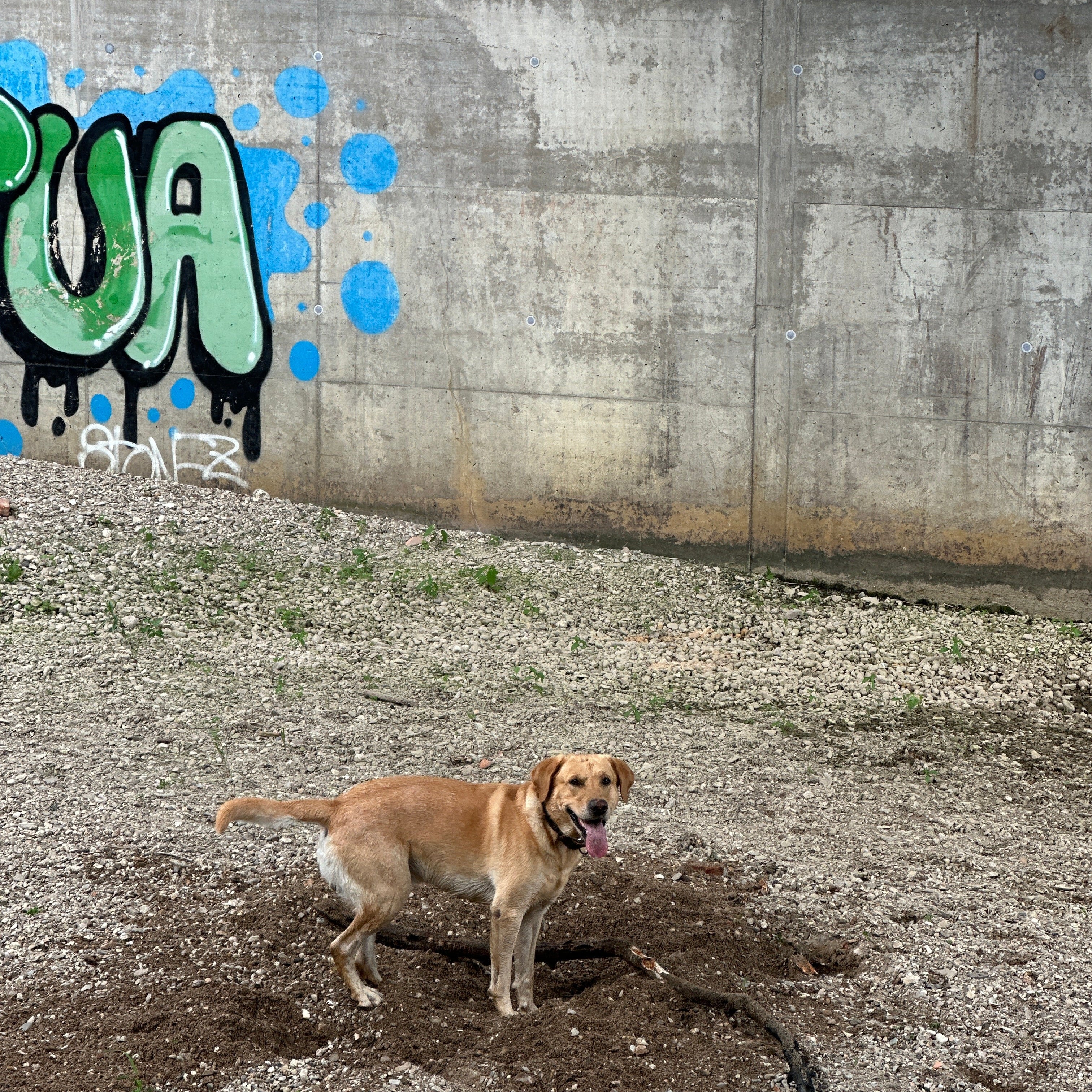
Ezra loves rain. Puddles. Mud. The creek behind the vineyard. He doesn't care about the weather in the slightest — the colder, the better. Interestingly, in summer, he prefers to walk right by my side because the heat is unpleasant for him. But autumn? Autumn is his season.
What does this mean for me? Drying off. Always. All through autumn.
There are dog coats made of terry cloth or fleece that really help. And there is us — with five microfiber towels. In autumn, they are all wet and dirty at the same time.
But thorough drying is not pedantry — it is real dog protection. Moisture in the fur, especially between the toes, under the armpits, and on the belly, creates an environment where bacteria and fungi feel at home. Irritated skin, hotspots (round, itchy skin inflammations that the dog worsens by scratching and licking), ear infections in floppy-eared dogs — much of this begins with fur that stays damp for too long.
So: Towel. Always. And then the paws again. And don't forget the ears.

A small tip for afterward: Spray AM+PLUS Active Microorganisms onto the still slightly damp fur. This strengthens the natural skin microbiome - the protective balance of beneficial bacteria on the skin - which is repeatedly thrown out of balance by wetness and mud.
Mushrooms, acorns, chestnuts — what is actually dangerous
This is the topic that occupies me the most in autumn. Because many of these things hide under the rustling leaves — and dogs find them.
Mushrooms
Ezra has a nose that finds literally everything. And in autumn, the problem is everywhere: mushrooms. The insidious part — they smell irresistible to dogs. Especially the Death Cap and certain fiber cap mushrooms smell slightly fishy, which attracts dogs. Even a small amount can be life-threatening — vomiting, diarrhea, tremors, in severe cases liver and kidney failure.
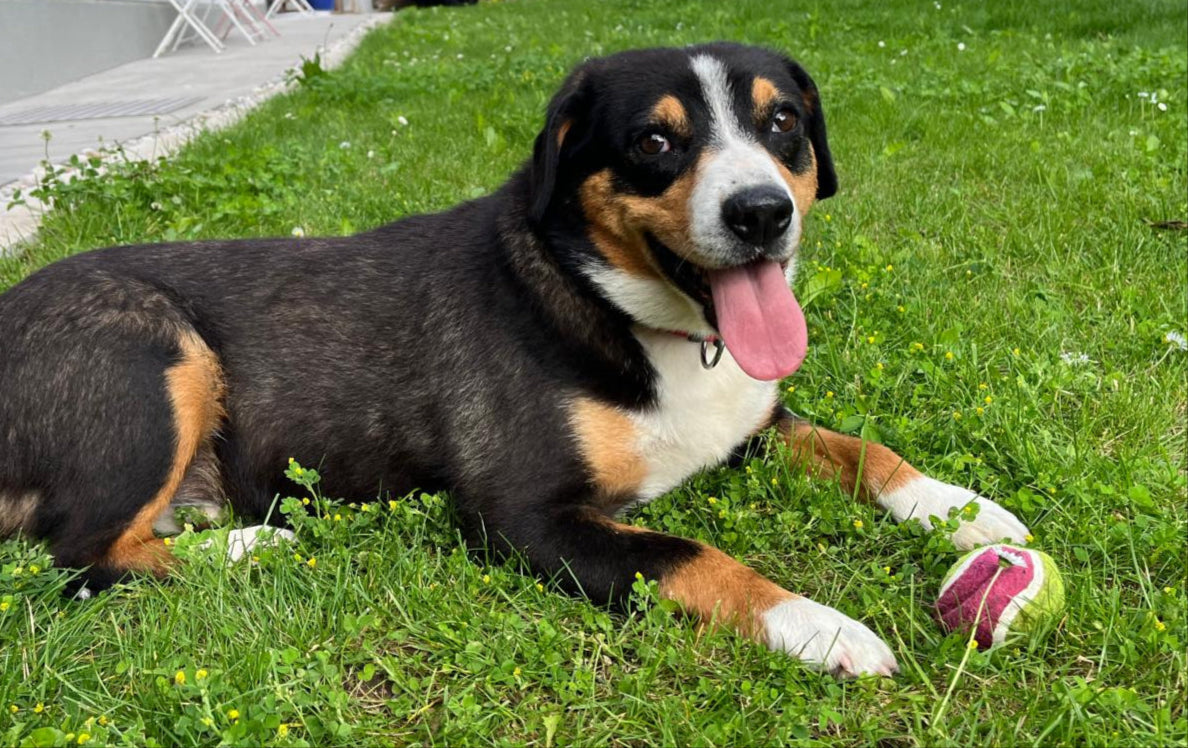
And Minni — anyone who couldn't be sure in the past whether the next meal would come, eats whatever they find. To Minni, every mushroom on the ground is potential food. No ill intent — pure survival. This makes autumn walks with her require extra vigilance.
What is also underestimated: Even seemingly harmless mushrooms can carry mycotoxins (highly toxic metabolic products of mold). The wet, warm autumn climate is their ideal home — in damp leaves, in old fallen fruit, in rotting fruit on the ground. DOGKRAFT Zeolite binds mycotoxins in the gut before they reach the bloodstream. This is not an emergency remedy if the dog has eaten a poisonous mushroom — in that case, go to the vet immediately. But as a daily companion during autumn walks, it is a sensible support.
Acorns
Small, rollable, everywhere — and toxic to dogs. Acorns contain tannin (tannic acid), which causes stomach pain, diarrhea, and vomiting. In larger quantities, tannin can damage the liver and kidneys. Anyone walking their dog in an oak forest should know this.
Chestnuts
Horse chestnuts contain saponins and glycosides — toxic substances that are absorbed through the mucous membranes when chewed. Minni would eat them immediately — and for the same reason as the mushrooms. Chestnuts swallowed whole can cause intestinal blockage because their smooth surface becomes rough in the stomach. That is an emergency.
Walnuts
Fresh, unripe walnuts and their green husks can be infected with a fungus called Penicillium crustosum, which attacks the nervous system — even in small amounts, this can be fatal.
See a vet immediately for these symptoms:
Vomiting, diarrhea, tremors, stumbling, weakness after a walk in the woods
Suspicion of mushroom ingestion — act immediately, do not wait.
Bloated stomach, pain — potential intestinal blockage due to chestnuts.
When in doubt: better to go once too often than not enough.
The creek — when is it too cold?
This is my personal number one autumn worry. Ezra likes to swim in the creek. He loves it. Actually, it's: I throw a stick as far as I can and Ezra brings it back. As fast as he can. And I stand on the bank and ask myself: is this still okay?
The honest answer: It depends on the water temperature, not the air temperature. On a warm autumn day, the creek can already be ice-cold.

As a guide: most dog breeds can swim without worry from a water temperature of about 15 to 17°C (59–63°F). Below 10°C (50°F), it becomes problematic for most — especially for older dogs, short-haired breeds, and dogs with heart problems. A quick jump into the creek is not dramatic even at lower temperatures. Long swims in cold water, however, can lead to muscle cramps, hypothermia, and cold tail syndrome — a painful inflammation of the tail muscles caused by excessive strain in cold water.
Labrador Retrievers like Ezra were bred for cold water — dense coat, strong muscles, high cold tolerance. Nevertheless, I observe him closely: is he shaking? Does he seem stiff afterward? Then that was enough.
What helps: dry off immediately after swimming — with the fifth microfiber towel that is still dry and clean — keep moving so he warms up, and let him lie somewhere warm at home.
One thing I have learned from my own experience: Rushing creeks in autumn are another story. Due to rain and melting mountain water, creeks that were harmless in summer become significantly stronger and deeper in autumn. When in doubt — leash. Because I don't like shouting all the time.
Ticks in autumn — still active
Short but important: Ticks are active as long as temperatures do not drop consistently below freezing. In autumn, during mild weather, they still hang out in the leaves, in tall grass, at the edge of the woods. Ezra gets his tick pill at the beginning of March — it lasts three months — and in July the next one is due. And that lasts another three months. So until September. Check your dog after every walk — head, neck, armpits, belly, and between the toes.

What to do after tick treatment and why the body needs support afterward — we have covered this in detail in a separate article.
👉 After vaccinations, worming & tick remedies:

👉 Spring for dogs — ticks and allergies
Paws in autumn — what really helps
Wet paws on light parquet. Wet paws on the couch. Wet paws everywhere. I know the feeling.
But aesthetics aside, there are real reasons why paws need special attention in autumn. Constant wetting and drying can cause the skin between the toes to soften and become sensitive. Small wounds from twigs or sharp edges in the foliage heal more slowly when the skin is permanently damp.

Dry paws off after a walk—really thoroughly, including between the toes. For skin that is already irritated, TIERKRAFT Zeolite Skin Powder helps: simply sprinkle it into the spaces between the toes; it binds moisture and gently soothes irritated areas. For small wounds or chafed yet dry and cracked spots, the zeolite wound ointment is the go-to—it supports wound healing and keeps paw skin supple.
And sometimes, despite all your care, things happen. Bakku—my parents' former dog, the best guard dog and barking expert during the week—turned into a completely different dog on the weekend when visitors came from Vienna. Today is no school day. He forgot everything he had ever learned, chased sticks, romped around, played. Once, the leash got caught between his toes—due to the tension, the cord was as sharp as a knife. Grandma didn't notice his limping until the evening, along with a cut between the first two toes of his left paw.

Grandma and Grandpa lead an organic lifestyle with a close connection to nature. They have zeolite powder—for all external wounds on humans and animals. Grandma gently sprinkled it onto the wound. At first, he resisted a little and licked it right off. Then it was applied again. He let it happen. And relaxed.
Do animals sense what is good for them? Do they have a feel for what is healing? My feeling says yes.
The following weekend, we very gently sprinkled the fine powder between his toes ourselves. The wound healed quickly. All that remained was a pink dog toe. Bakku was such a good, loyal dog—even in his final days, he never stopped being curious: curious about every walk of his own, every ball, every good scent, every moment.
Bakku is waiting at the Rainbow Bridge now. But his stories will be told again and again. And if you look closely at him in this picture—you can see his pink toe. 🌈🐾
Senior dogs in autumn — special attention
Bakku was 14. And autumn was different for him than it was for Ezra. Cool floors made his joints ache. Getting up after lying down took longer. The walks became shorter—not because he didn't want to, but because his body said so.

What really helps: soft, warm sleeping spots—preferably near the radiator or stove, where it is most cozy. Additional cushions that are washed regularly—and then sprayed with AM+PLUS microorganisms. This strengthens the natural balance of the fabric and keeps germs at bay that wet autumn paws and damp fur bring with them. Feel free to spray the sleeping spot itself occasionally, too. And the old dog's fur after drying off—AM+PLUS gently cares for the skin microbiome from the outside, precisely when an older body cannot regulate it as well on its own.
And simply more time. More patience. Making the walk as long as the senior dog wants—and no longer.
You can find everything about accompanying a senior dog in autumn and at every stage of life—with stories about Bakku, Minni, and what senior dogs really need—here: When is a dog old - supporting senior citizens
Zeolite in autumn — why now, in particular
In autumn, a dog's body is more stressed than one might think: shedding takes energy and nutrients, wet weather weakens the skin microbiome, damp foliage and floors bring more mycotoxins and pollutants, and the immune system adjusts for winter.

DOGKRAFT Zeolite in their food every day—this is our simplest autumn recommendation for dogs. It binds mycotoxins and pollutants in the gut, provides natural silicon for fur, skin, and connective tissue, and supports the liver in its detoxification work—exactly when the body is under the most strain.
0.5% of the daily food amount. Simply mix it into their food. Ezra doesn't even notice.
"We just went through a surgery, and now everything that no longer belongs in a dog's body is being flushed out with zeolite."
— Sandra V. ⭐⭐⭐⭐⭐
"Our dog gets his daily ration of Steinkraft zeolite in his food—right from the start, for more than 5 years now. The vet is impressed with his build and his teeth at every check-up."
— A.J. ⭐⭐⭐⭐⭐
The cycle of the seasons — because every season has its own themes
🌱 In spring: The first ticks wake up, allergies begin, the body starts fresh.
👉 Click here for the article

☀️ In summer: Heat, drinking habits, diarrhea due to warm weather.
👉 Click here for the blog post


🍂 In autumn: You are here.
And take a look at the fur care article:
👉 Click here for the article

❄️ In winter: Road salt, protection from the cold, paws in ice and snow.
👉 Click here for the article

Finally — and about Minni
Minni is at the door. Looks out. Rain. Turns around. Goes into the living room.
Grandma and Grandpa actually go out in any weather—that’s what they’re used to, that’s how they’ve always done it. But Minni is inspiring them right now. She shows them that you are allowed to just turn around when it rains. That being slower is nice, too. That you are allowed to make life easier on yourself. From a dog from the "divorce orphanage." Who perhaps had to learn that itself first.
🐾 And if Ezra does want to go out in the rain after all? Then I go with him. With the towel already in my hand. 🍂 Correct: Immediately behind the front door.
Autumn is wet, sometimes exhausting, and always close by. With zeolite daily in their food, AM+PLUS on their fur, and a good towel right behind the front door, the two of you will get through it just fine. Promise.😄
👉 DOGKRAFT Zeolite Powder → 👉 TIERKRAFT Skin Powder → 👉 AM+PLUS Active Microorganisms →
👉 Here you will find the product of the month and a good overview of all areas from STEINKRAFT
👉 Here you will find all STEINKRAFT products at a glance - directly in the shop

About the author
Marika Sannegger
STEINKRAFT Team | The Voice of STEINKRAFT | Customer Service, Co-dog mom & dance enthusiast
Marika is the direct link between STEINKRAFT and the people who love their four-legged friends. She knows their most frequent questions, their biggest uncertainties, and the most beautiful success stories. As co-dog mom to Ezra, she knows: When it comes to your own animal, you don't want theory. You want honest answers. And when she's not on the phone or writing? Then she's out and about with Ezra 🐾 or on the dance floor 💃.
Another question? 🐕
Perhaps your question has already been answered—on our large FAQ page about STEINKRAFT zeolite. There you will find everything concerning quality, dosage, and application for humans, animals, and the garden. And if not: simply write to us. We answer personally.
👉 To the FAQ page →